Athletic Shoes: Your Ultimate Guide to Performance and Comfort
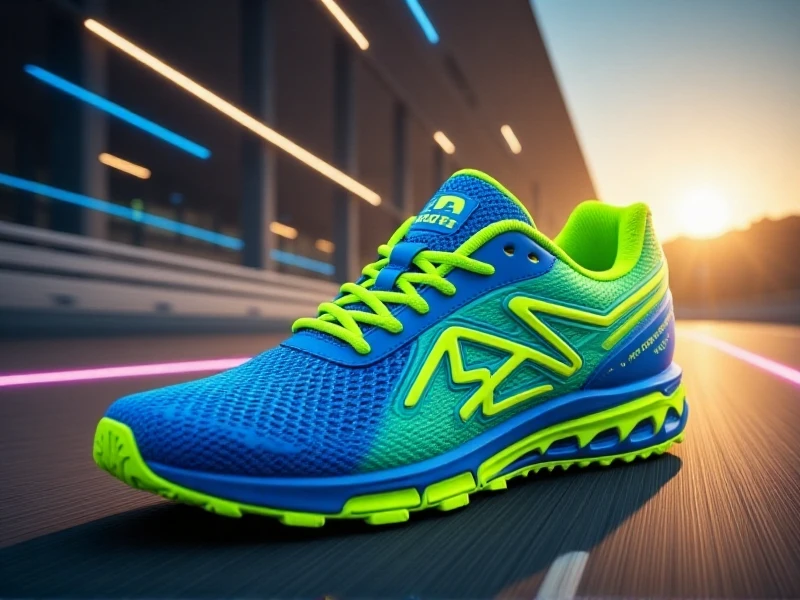
Choosing the right athletic shoes transforms your fitness journey. Unlike regular footwear, they're engineered to boost performance, reduce injury risk, and keep you comfortable during high-impact activities. Whether you're a marathon runner, gym enthusiast, or weekend hiker, understanding shoe technology matters more than you think.
Modern athletic shoes blend advanced materials with biomechanical science. Breathable mesh uppers prevent overheating, while adaptive cushioning systems like gel pods or air units absorb shock. Stability features combat overpronation—especially vital for runners—and carbon fiber plates in elite models now propel runners forward efficiently. Weight distribution is critical too: Cross-training shoes prioritize lateral support for agility, while racing flats shave ounces for speed.
Selecting shoes goes beyond size. Consider these key factors:
-
Foot Type: Flat arches need motion control; high arches require flexible cushioning. Wet your foot and step on paper—see whether the imprint shows a full sole (flat), curved sides (neutral), or minimal contact (high arch).
-
Activity: Running shoes differ from court sport designs. Basketball demands ankle support for jumps; trail runners need aggressive treads; HIIT enthusiasts profit from versatile cross-trainers.
-
Terrain: Road shoes have smoother soles for pavement. Trail variants feature deep lugs and rock plates for uneven paths.
Break-in periods are myths—great athletic shoes feel perfect immediately. When testing, wear performance socks and simulate movements. Finally, track mileage: Replace every 300–500 miles as cushioning degrades.
Forget trends—invest in function. Proper athletic shoe selection elevates workouts, prevents plantar fasciitis and shin splints, and ultimately lets you push limits safely. Your feet carry you; honor them with intelligent support.
( 405)