The Ultimate Guide to Choosing the Perfect Athletic Shoes
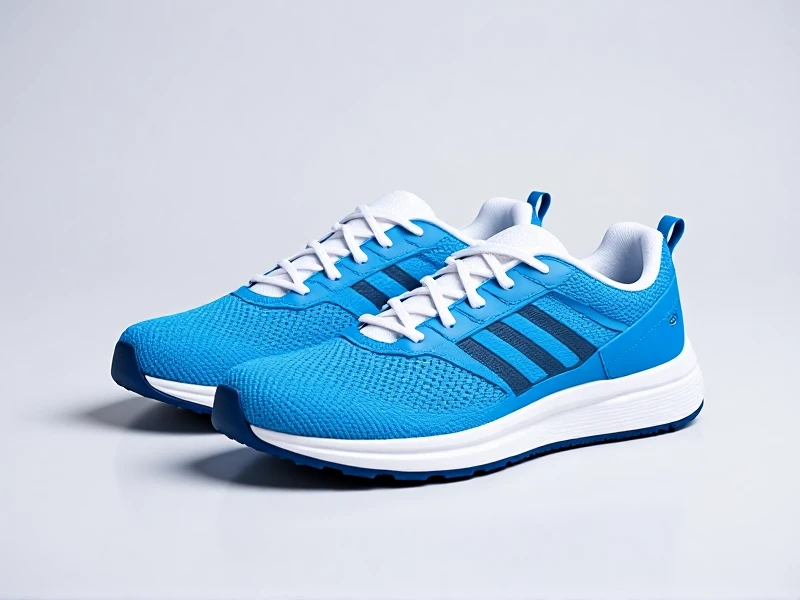
Here is a 400-word SEO article about athletic shoes written naturally in English, focused on the keyword "Athletic Shoes":
Finding the right athletic shoes can feel overwhelming, but it's crucial for performance, comfort, and injury prevention. Whether you're a seasoned marathoner, a weekend warrior, or just starting a fitness routine, the proper footwear is your foundation. Why does it matter so much? Wearing ill-fitting or worn-out athletic shoes can lead to blisters, shin splints, joint pain, and even more serious overuse injuries.
The key lies in understanding your specific needs. Athletic shoes are highly specialized based on your activity:
- Running Shoes: Designed for forward motion, they provide cushioning primarily in the heel and forefoot. Stability or motion control options exist for overpronators.
- Walking Shoes: Offer a more flexible sole for the natural heel-to-toe roll, with good cushioning throughout. Traction is often more versatile.
- Cross-Training Shoes: The versatile all-rounder. They offer support for multi-directional movements (side-to-side, pivoting) found in gym sessions, HIIT, or classes. Durability and lateral stability are key.
- Court Sports Shoes: Think basketball, tennis, volleyball. They prioritize ankle support, lateral stability for quick cuts, and specific tread patterns (often herringbone) for court grip. A stiffer, supportive upper is common.
- Trail Running Shoes: Feature aggressive lug patterns for superior grip on uneven terrain (mud, rocks, roots), plus often a protective plate underfoot and reinforced toe areas. More durable uppers handle the elements.
Beyond your sport, consider:
- Your Foot Type: Do you have flat feet (low arches), high arches, or neutral? This drastically impacts whether you need neutral, stability, or motion control athletic shoes.
- Fit is Paramount: Your biggest toe should have at least a thumb's width of space from the shoe's end. The widest part of your foot (the ball) should sit comfortably without pinching. Always try shoes on later in the day when feet swell slightly.
- Cushioning Level: Preferences vary. Some runners love maximal cushioning for long distances, while others prefer a minimalist feel for better ground connection. Match cushioning to your activity intensity and impact needs.
- Terrain: Road, track, trails, gym? Your environment dictates the necessary traction and shoe construction.
- Replacement: Even the best athletic shoes wear out. Track your mileage or replace them approximately every 300-500 miles, or when you notice significant midsole compression or worn tread. Ignoring this is a fast track to injury.
Investing time in choosing the right athletic shoes is an investment in your performance, comfort, and long-term foot health. Don't just pick the latest trend; prioritize the fit, support, and features that match your unique feet and fitness routine. Visit a specialty running or sports store where trained staff can analyze your gait and recommend the best options for you. Your feet (and your workout) will thank you. Always lace up with confidence, equipped with supportive shoes tailored for your active lifestyle.